








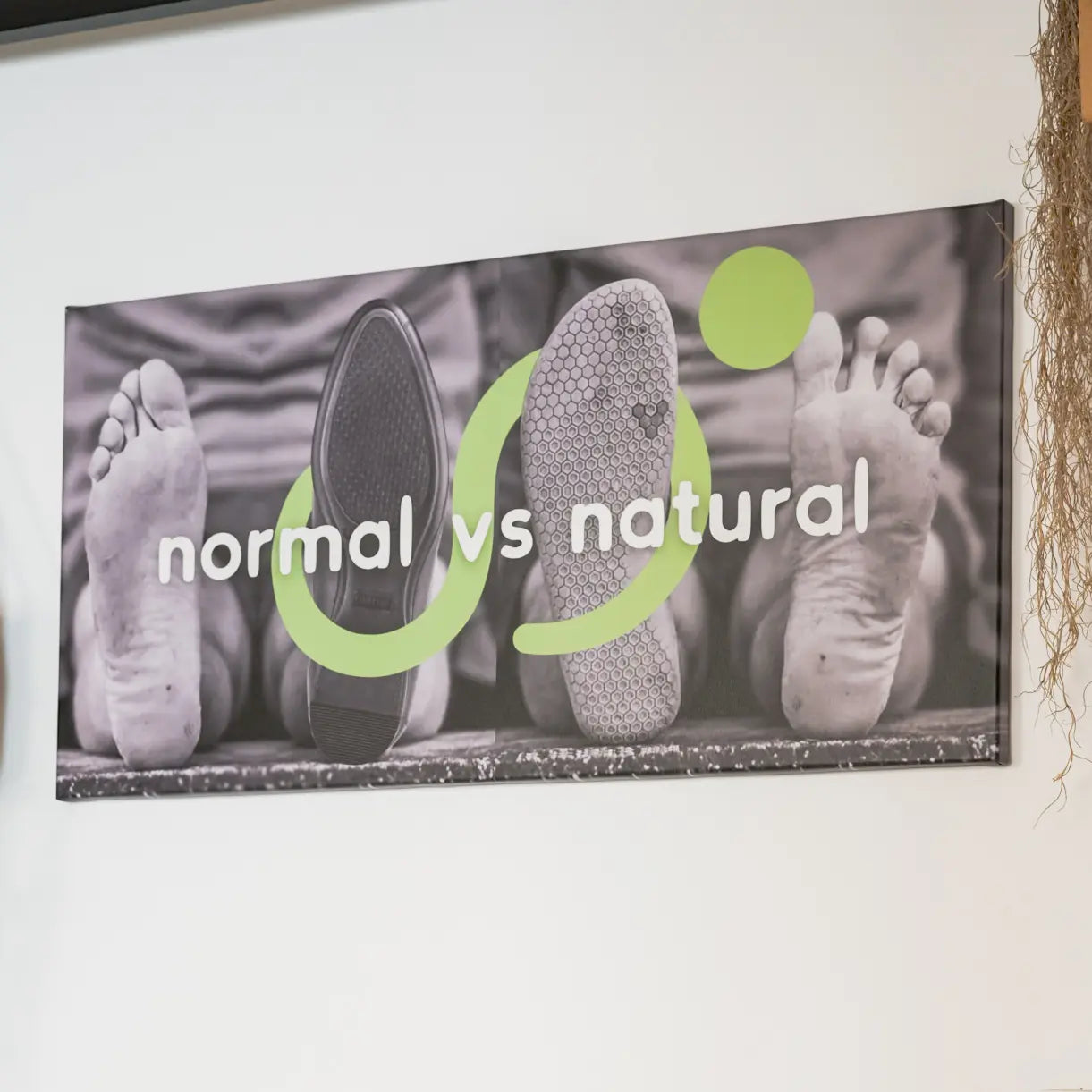
See it yourself.
Most people have never stopped to look at it.

Barefoot

Traditional
Where would you like to start?
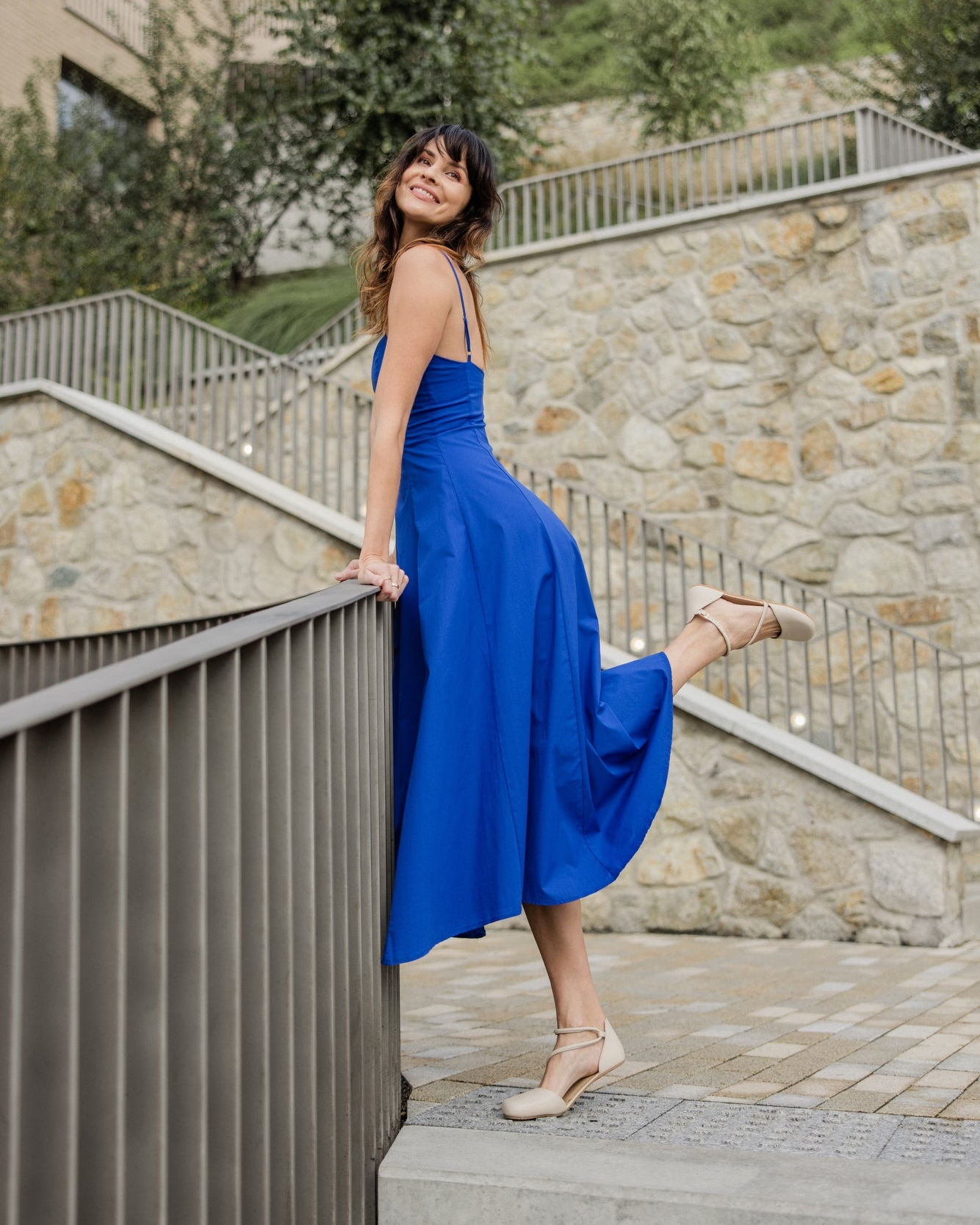
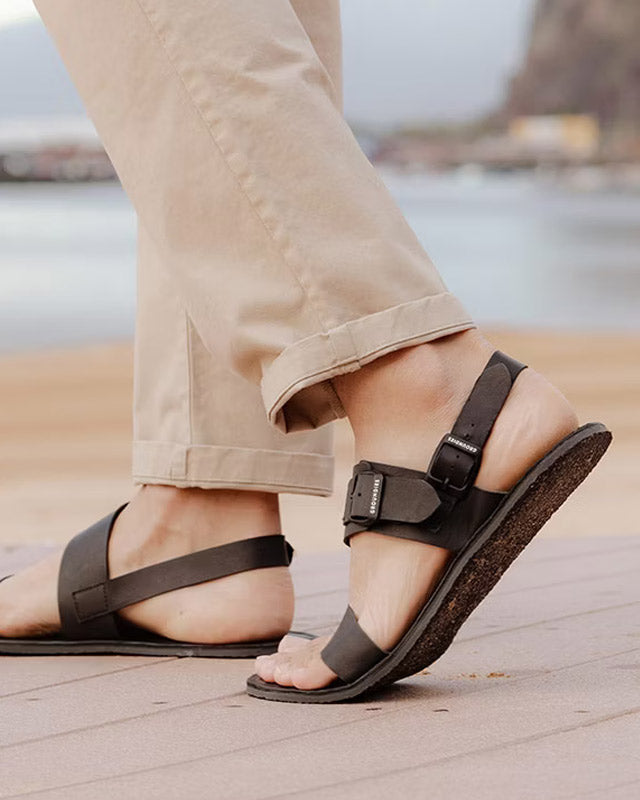
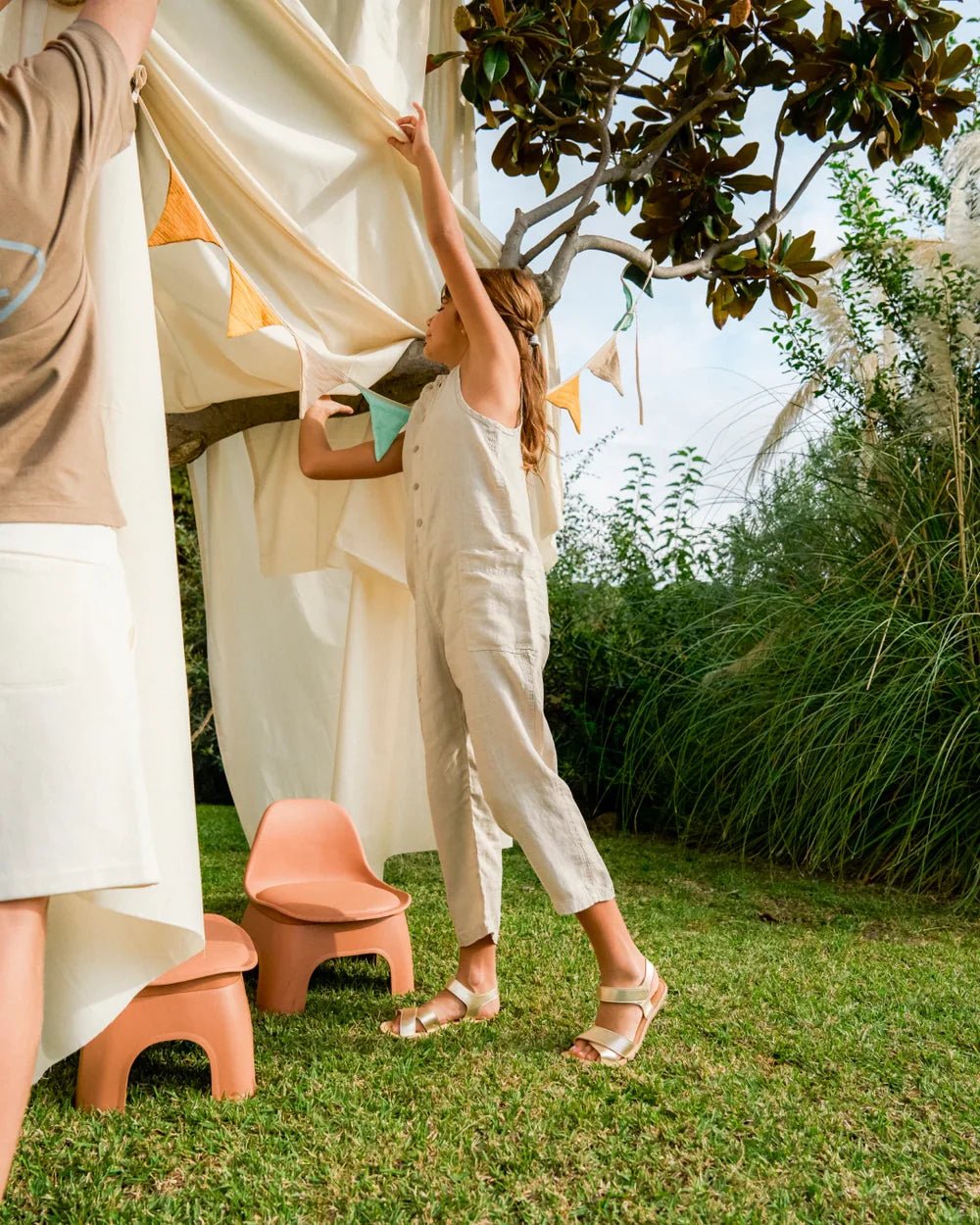
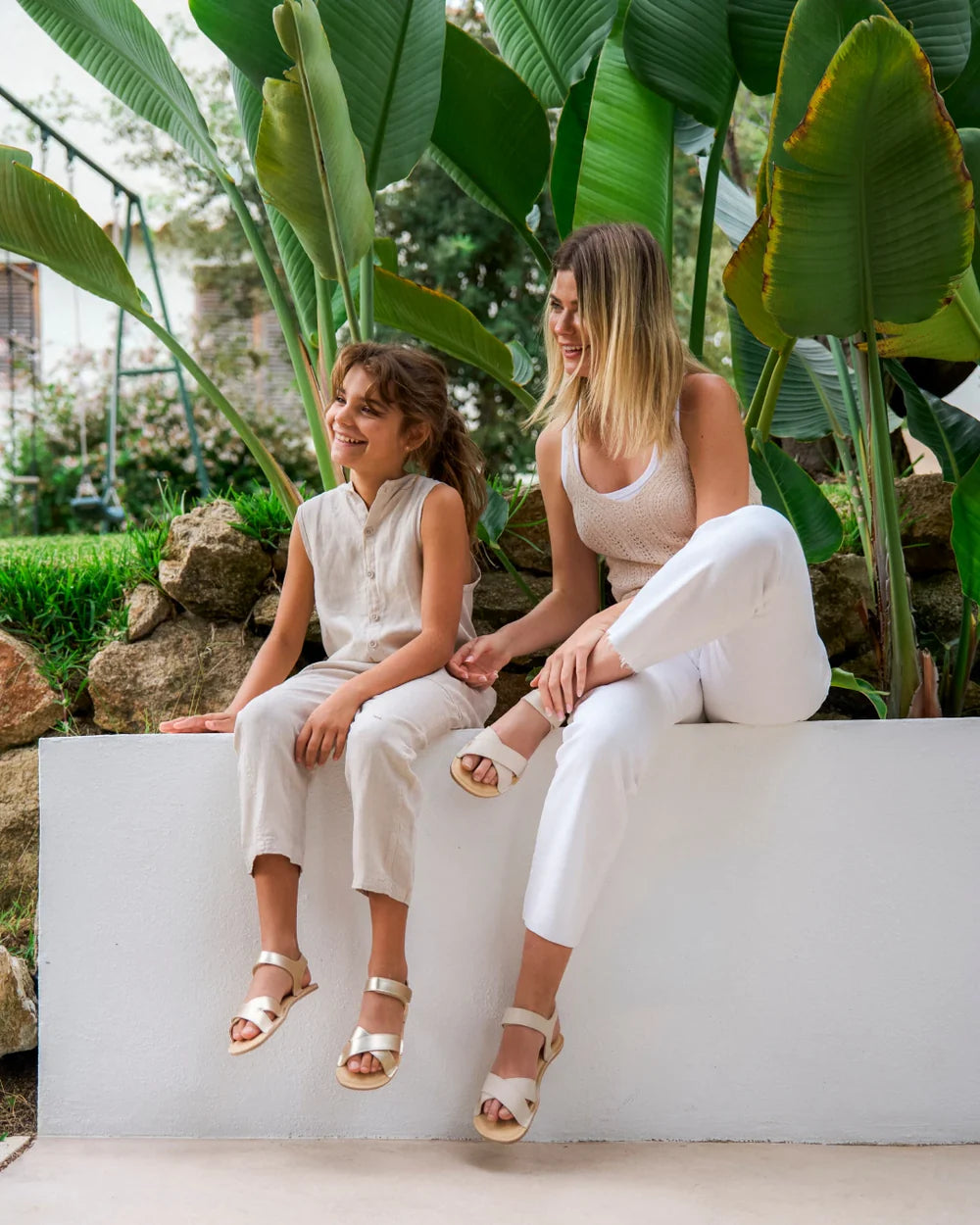
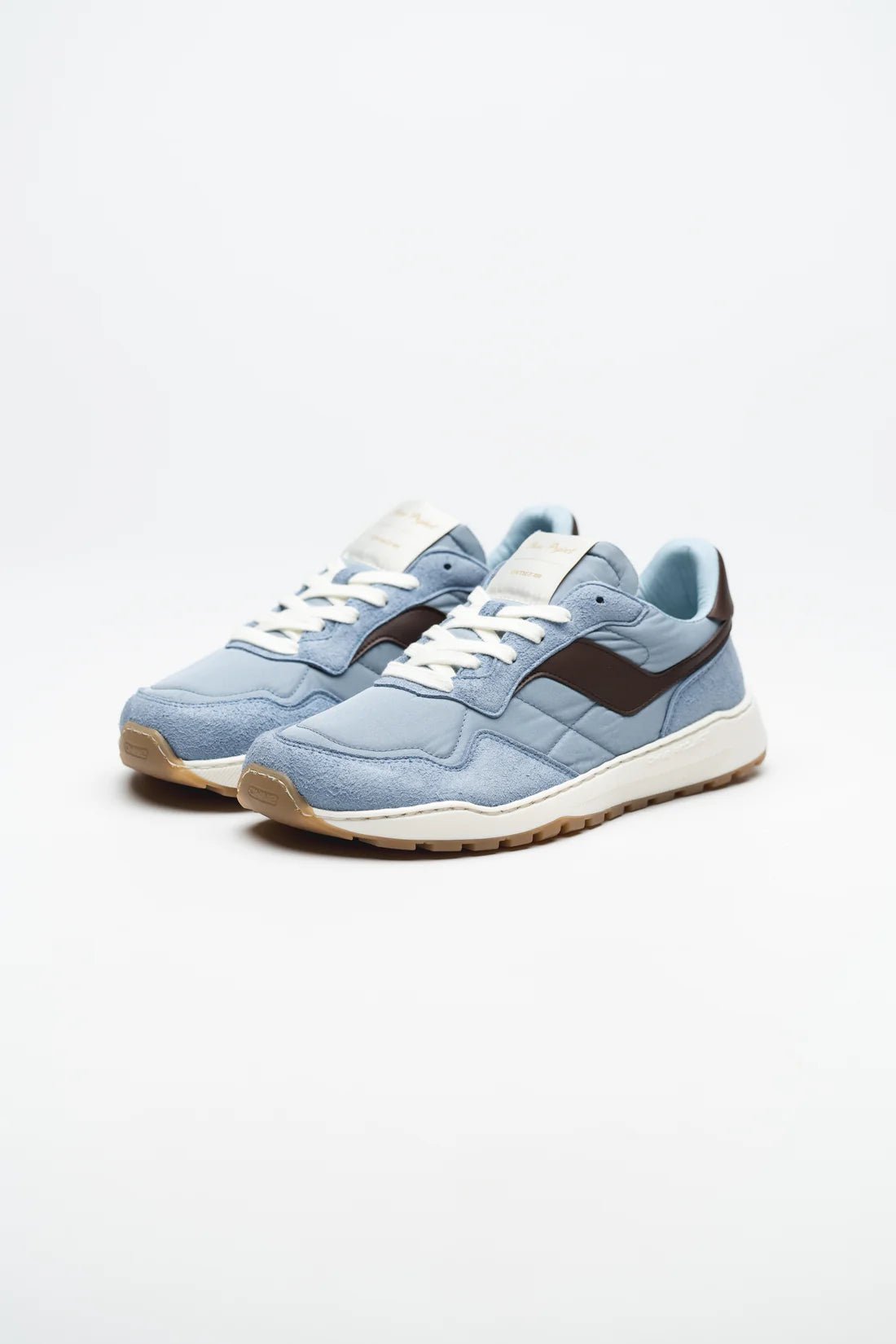
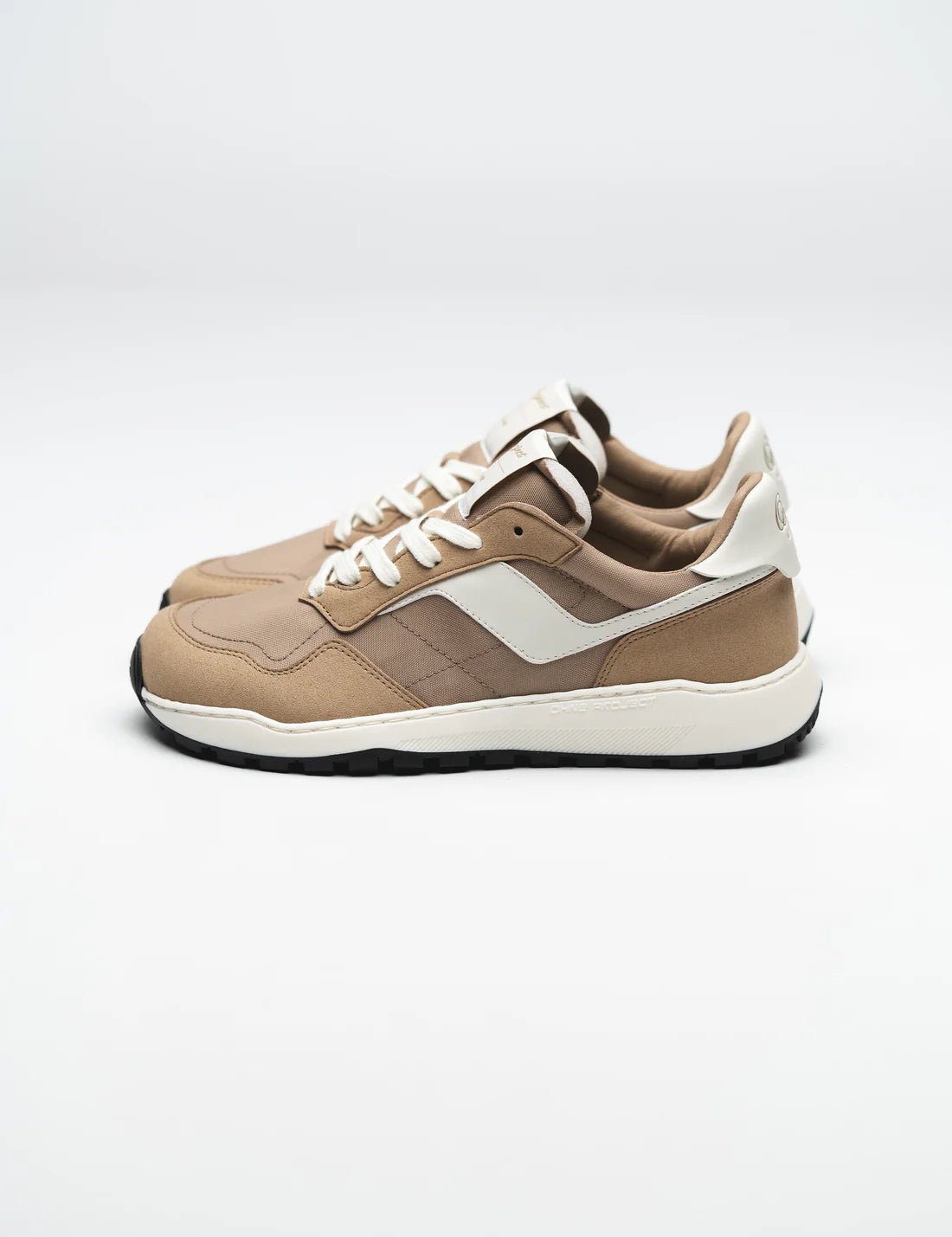
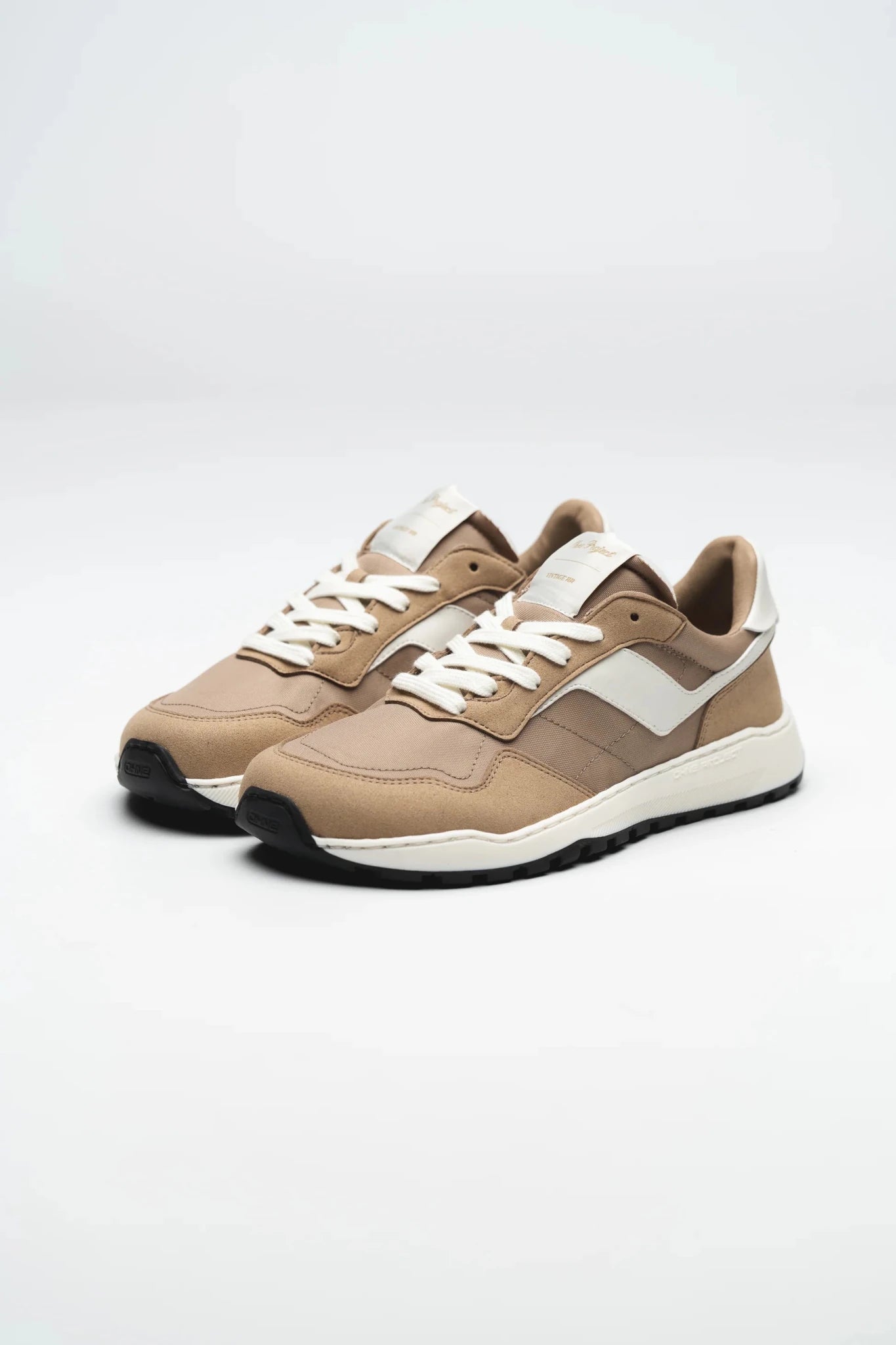
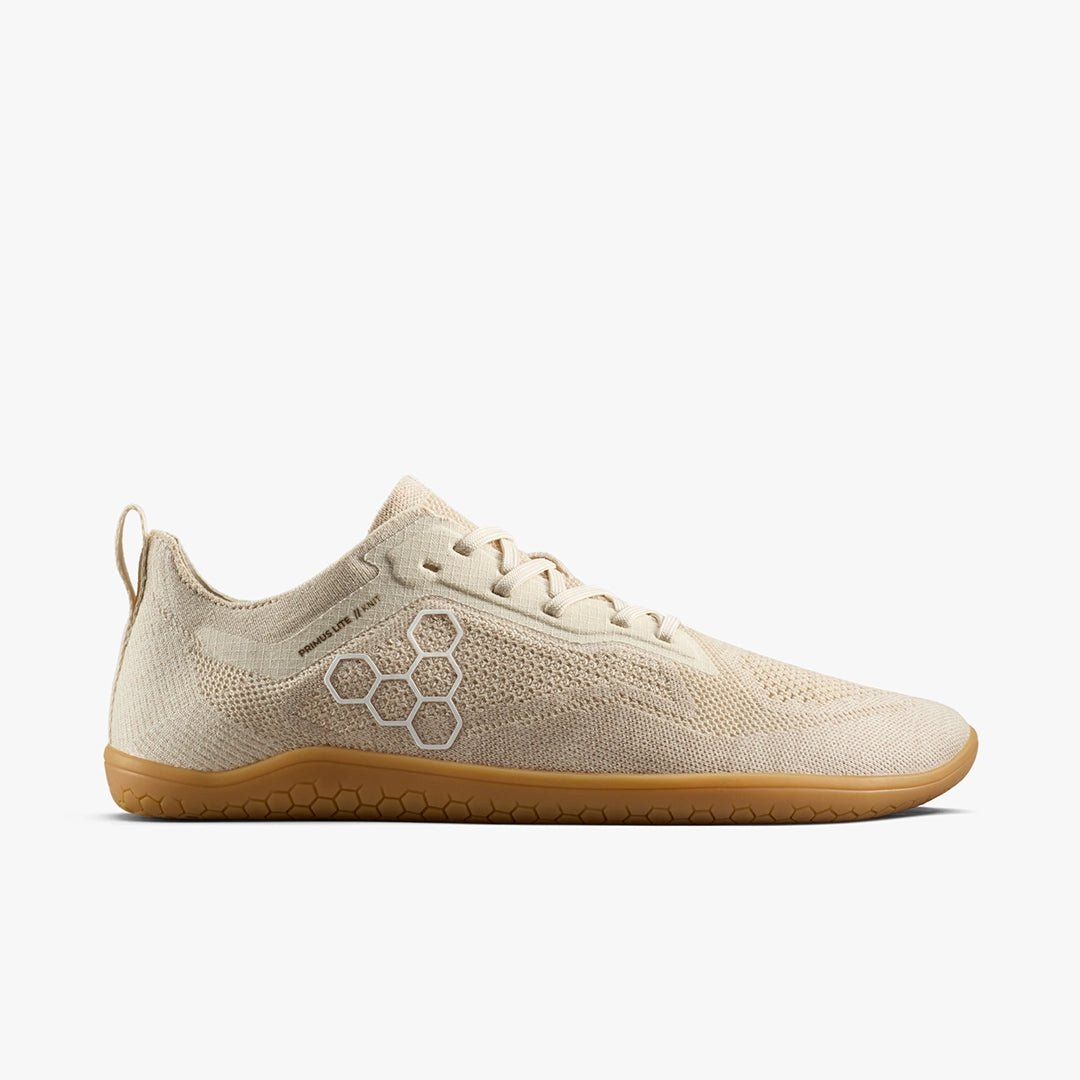
The most demanded products
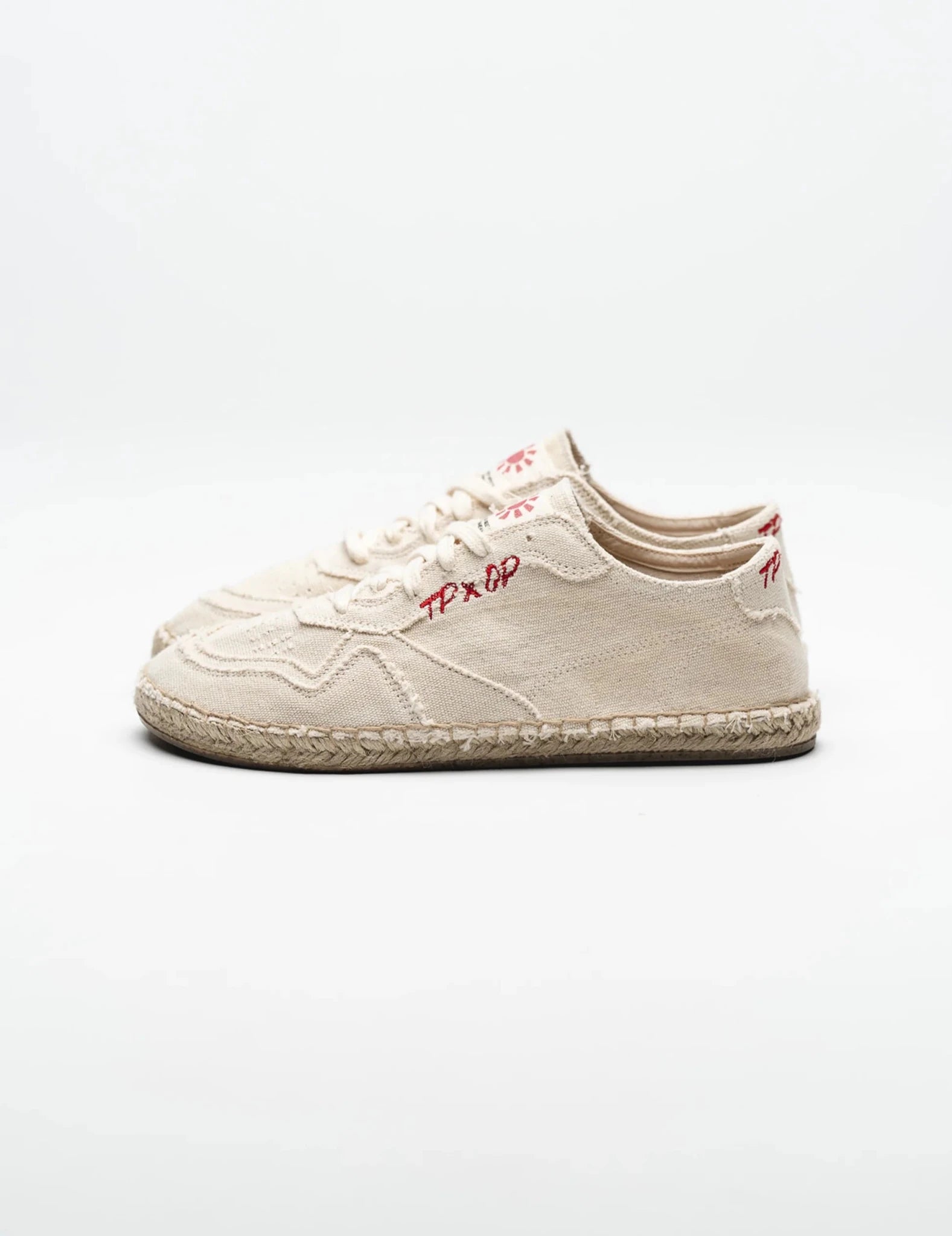
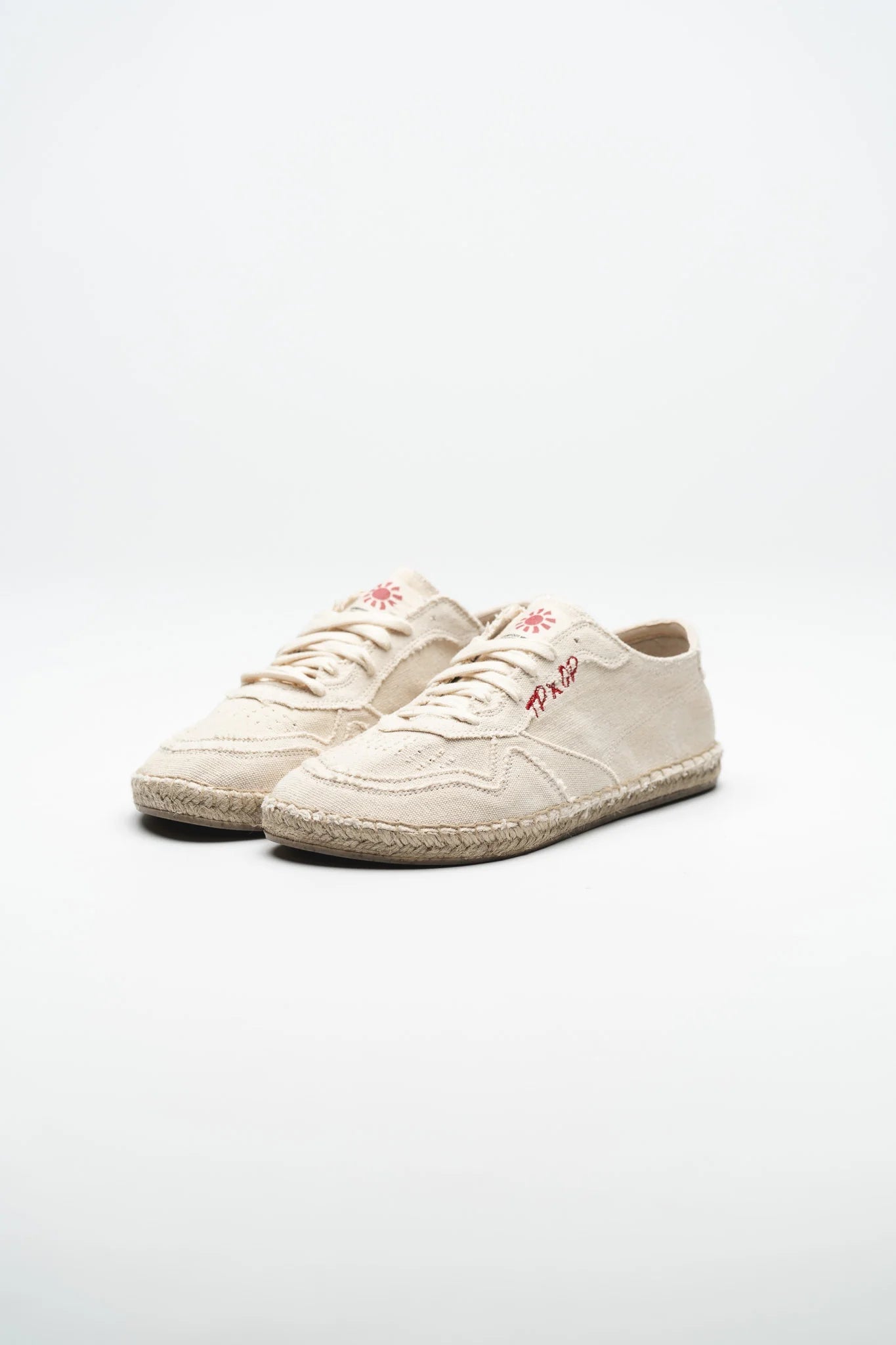
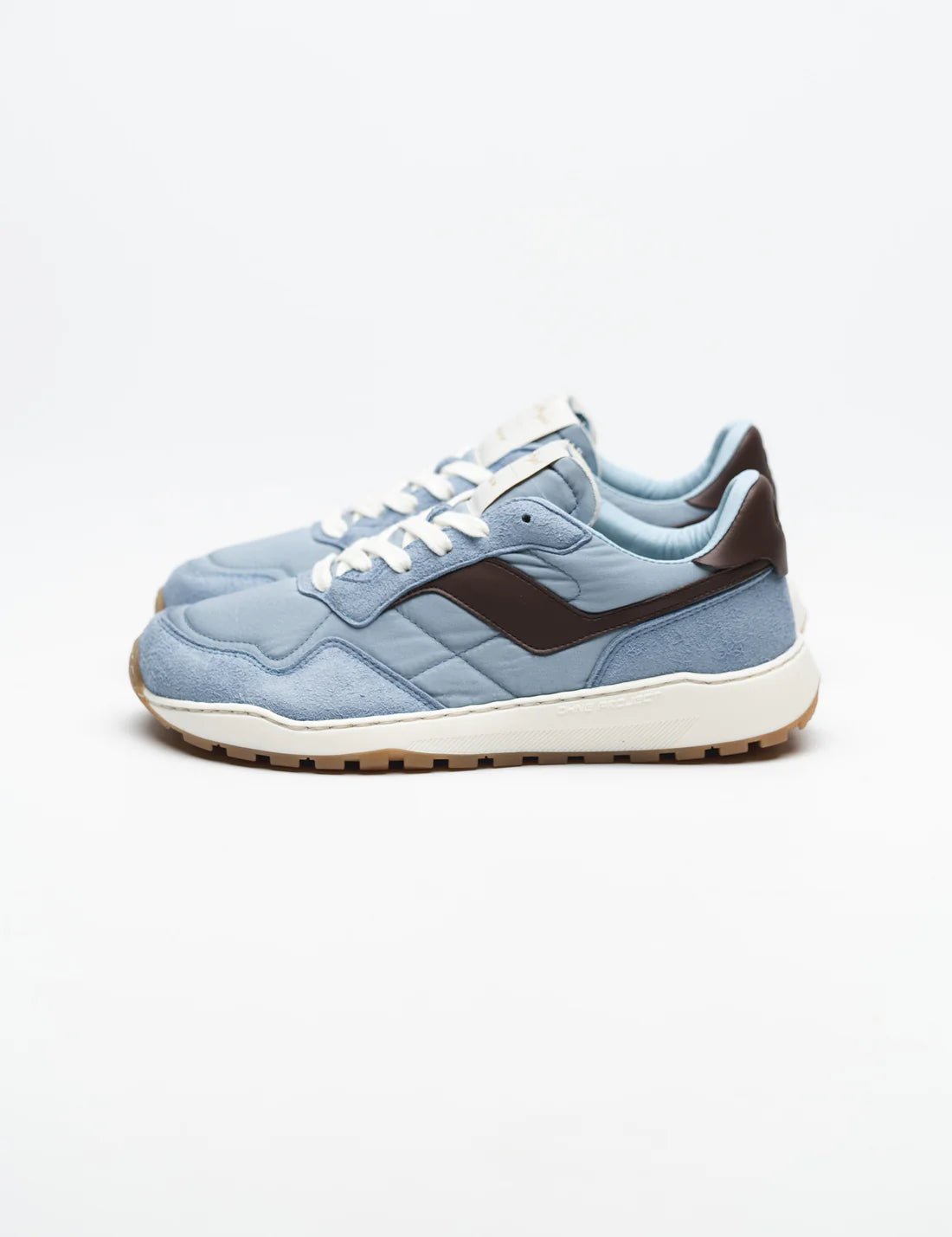
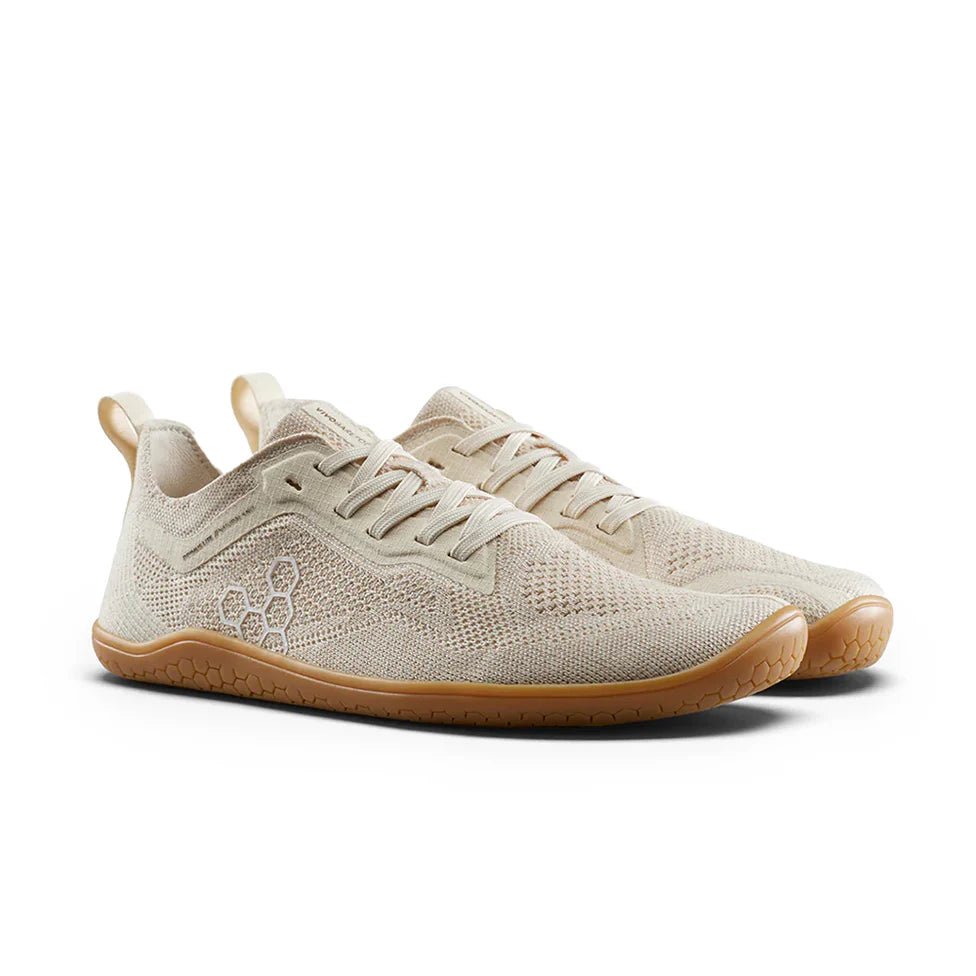
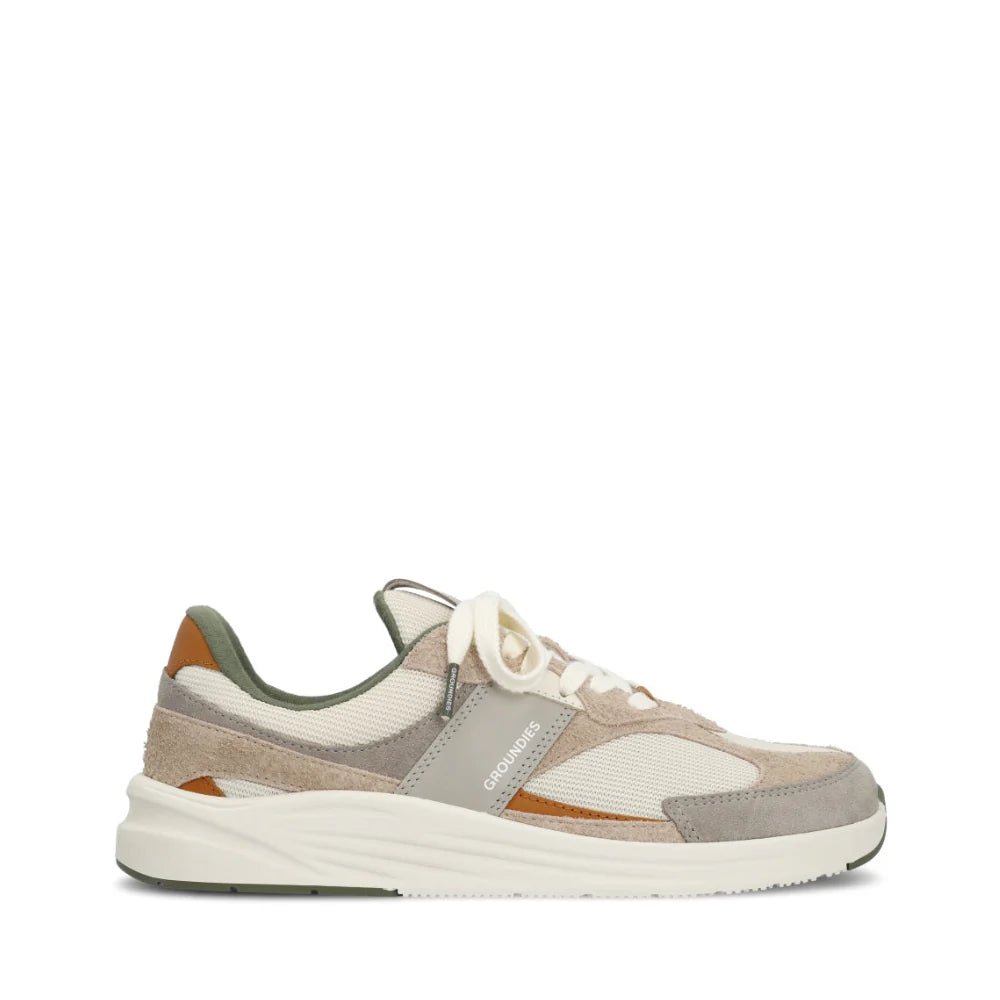
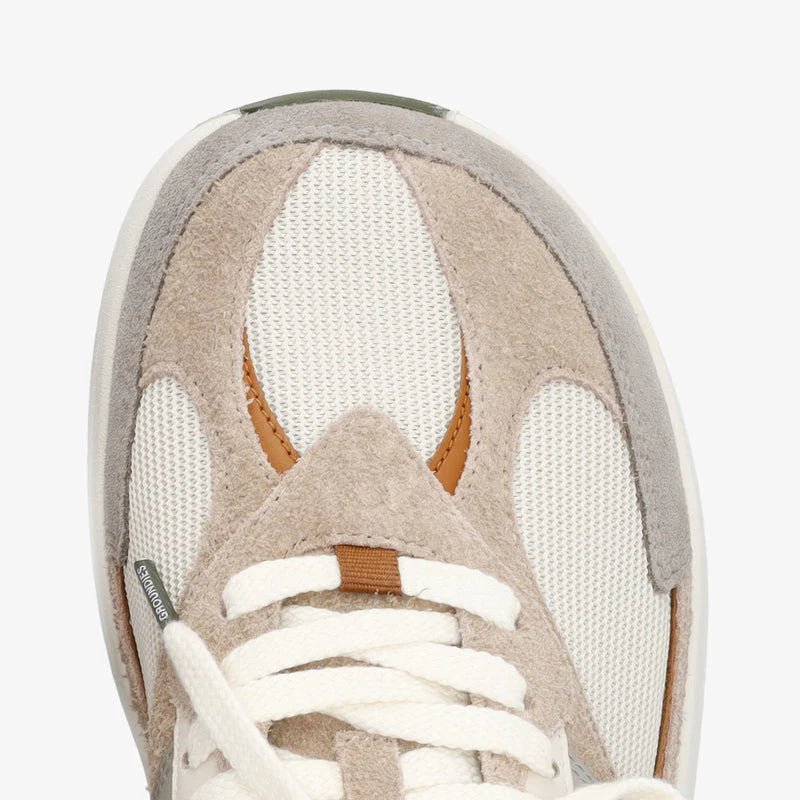
Standard
Not all barefoot shoes are the same.
We select each model based on biomechanical standard, construction quality, and real user experience.
How do we select
barefoot
The principles of
What do our customers say?
"Extremely well advised and attended to, both for summer footwear and for bike sandals! A great team and a lot of variety in brands and models, a benchmark for barefoot and health!!"
"An amazing shop if you're looking for barefoot footwear. Xavi was wonderful with us, showing great patience and dedication, explaining everything in detail and giving us very useful advice. It's a pleasure to find someone so passionate about their work who genuinely cares about helping. We left delighted and will definitely be back. Highly recommended!"
"Best (barefoot) shoe store of Mallorca! Super friendly and helpful staff. Good selection and great atmosphere. Couldn’t recommend this store enough!"
"Thanks to the advice given to my 80-year-old mother and me, it has helped us immensely in finding the most suitable shoe for each of us."
+10000
clients have already trusted Sapiens
3 years
accompanying a new way of walking
Why sapiens?
Sapiens was born from a simple question:
What if our feet weren't the problem, but the starting point of the solution?
Through education, movement, and science, we select footwear that respects the natural shape of the foot and promotes a more conscious way of moving.
Comparison
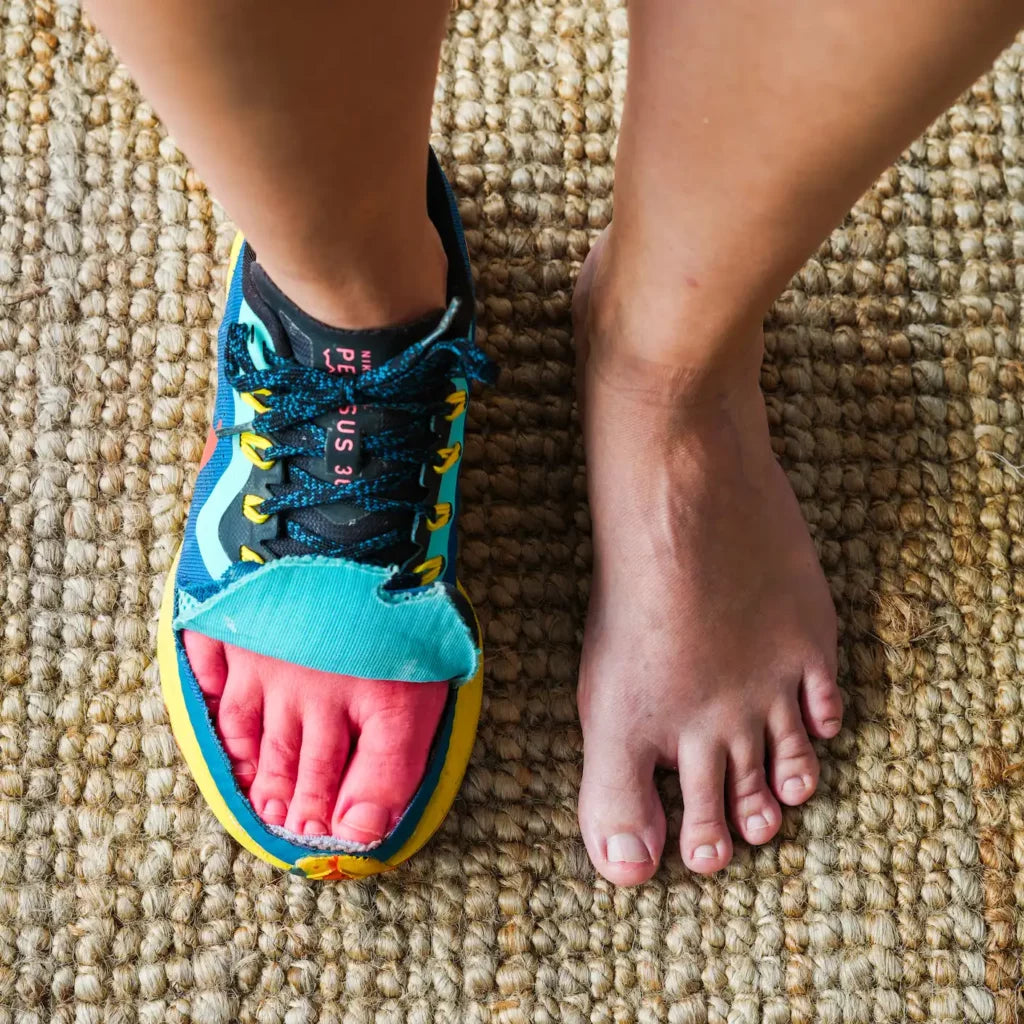
Important differences between barefoot and conventional footwear
Conventional footwear usually has all or most of the characteristics in the first column; barefoot footwear must meet all those in the second column.
Learn morenull or low
high
thick and with a drop
fine and with 0 drop
rigid
little or none
heavy
slight

Real people. Real feet. Real choices.
The first step
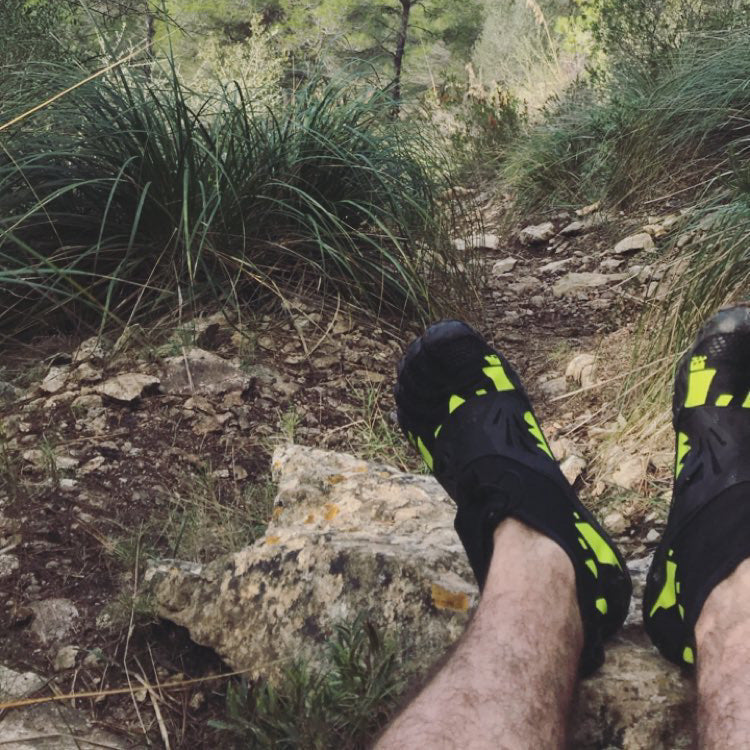
It all started with a pair of FiveFingers and extreme curiosity.
In 2016, our first pair of minimalist footwear arrived. It was still a strange, niche world, difficult for many people to understand, but that first experience opened up a question that would never leave us: what if the foot needed less correction and more freedom? That pair was the starting point for a new perspective on the body, movement, and the way we walked.
When they told us no
The doors were closing.
Before creating Sapiens, we tried to be part of other barefoot-related projects. We were looking for a way to bring this world to Mallorca, but opportunities didn't arise and many doors closed. In time, we understood that this obstacle was, in reality, an invitation to build something of our own. What seemed like a disappointment would end up becoming the starting point of everything.

Sapiens born from this.
The first step becomes a reality.
On July 22nd, we opened the doors of Sapiens after months of preparation, doubts, and a lot of work. We didn't know exactly what would happen, but we had a clear conviction: there was a need for a space where people could discover, try, and understand barefoot footwear firsthand. Mallorca now had its first specialized store, and we were embarking on an adventure that would change our lives.
Building the foundations
Each step opened a new door.
After the first year, it was time to consolidate the project. We expanded our selection of brands, discovered new manufacturers, and connected with individuals and professionals who shared our understanding of movement and health. It was also a year of constant learning: listening to customers, answering questions, and better understanding what the barefoot community truly needed. Sapiens was starting to take on its own identity.
The community is growing
An idea turns into a movement.
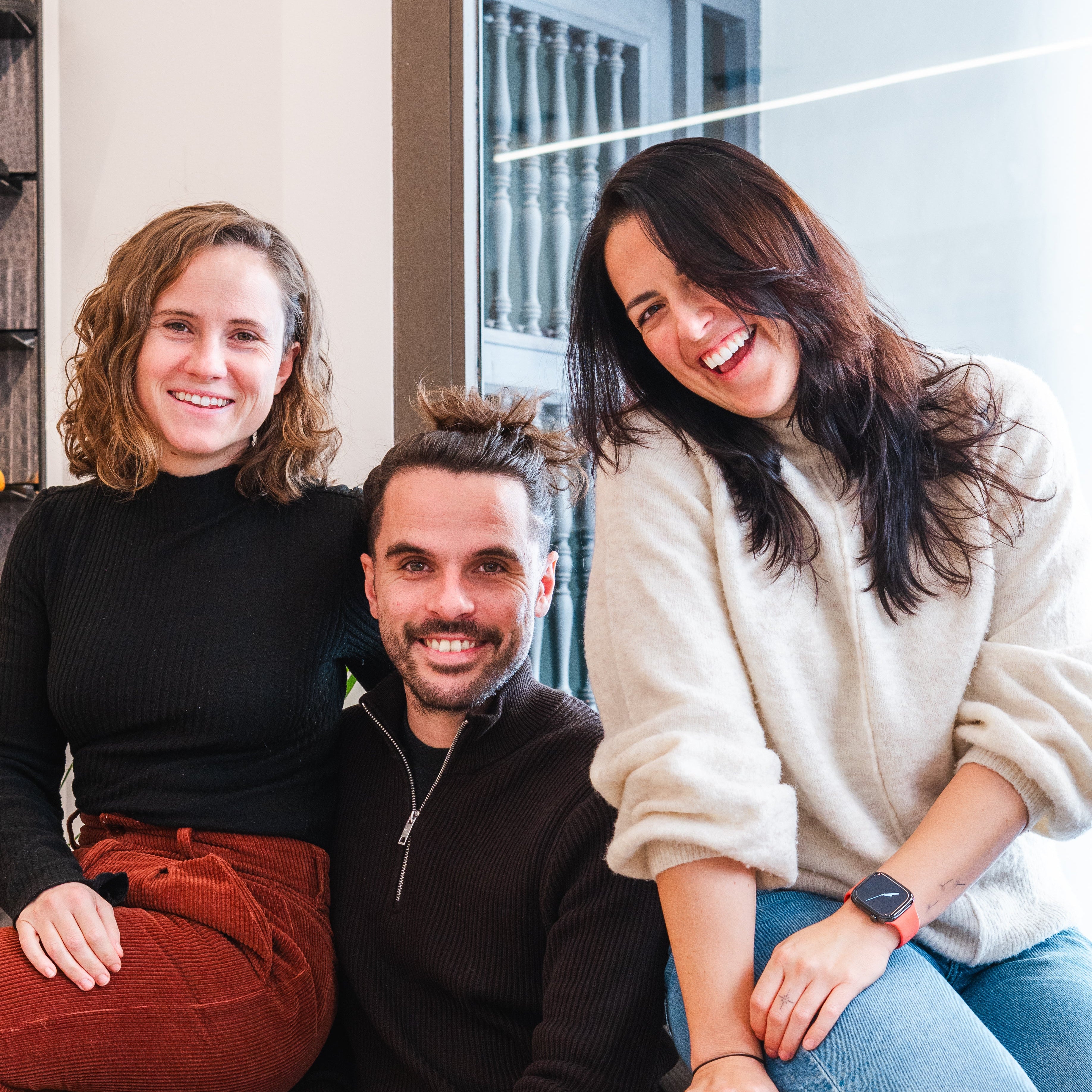
The project is picking up speed. More and more families, health professionals, trainers, and people interested in natural movement are coming to Sapiens. Cati joins the team, and we reinforce a way of working based on accompaniment, closeness, and expertise. We no longer just sell footwear: we are building a community that shares another way of understanding health.
A new window
We go further.
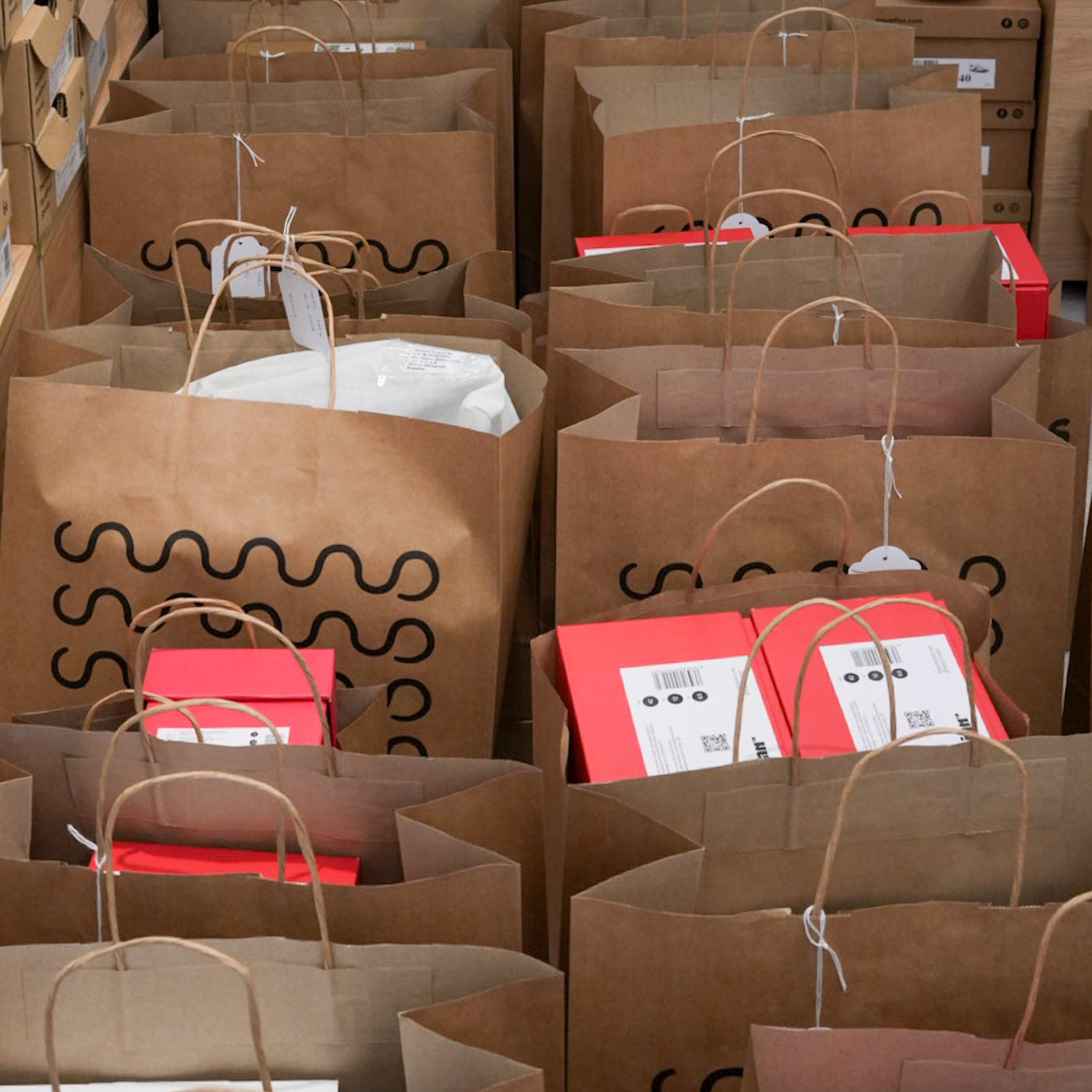
After consolidating our physical store, we are making a significant commitment to the digital channel. We are launching a new website designed to offer a clearer, more useful, and inspiring experience, capable of supporting people from home as well. We continue to expand brands, knowledge, and resources to bring barefoot to more and more people.
A new window
We go further.
After consolidating the physical store, expanding the team with Cati, we are making a significant commitment to the digital channel. We are launching a new website designed to offer a clearer, more useful, and inspiring experience, capable of accompanying people from home too. We continue to expand brands, knowledge, and resources to bring barefoot footwear to more and more people.
Before taking the first step into barefoot running.
Most common questions about barefoot.
Clear answers to the most common questions about this movement, barefoot-friendly footwear, and adapting to barefoot walking.
What exactly is a barefoot shoe?
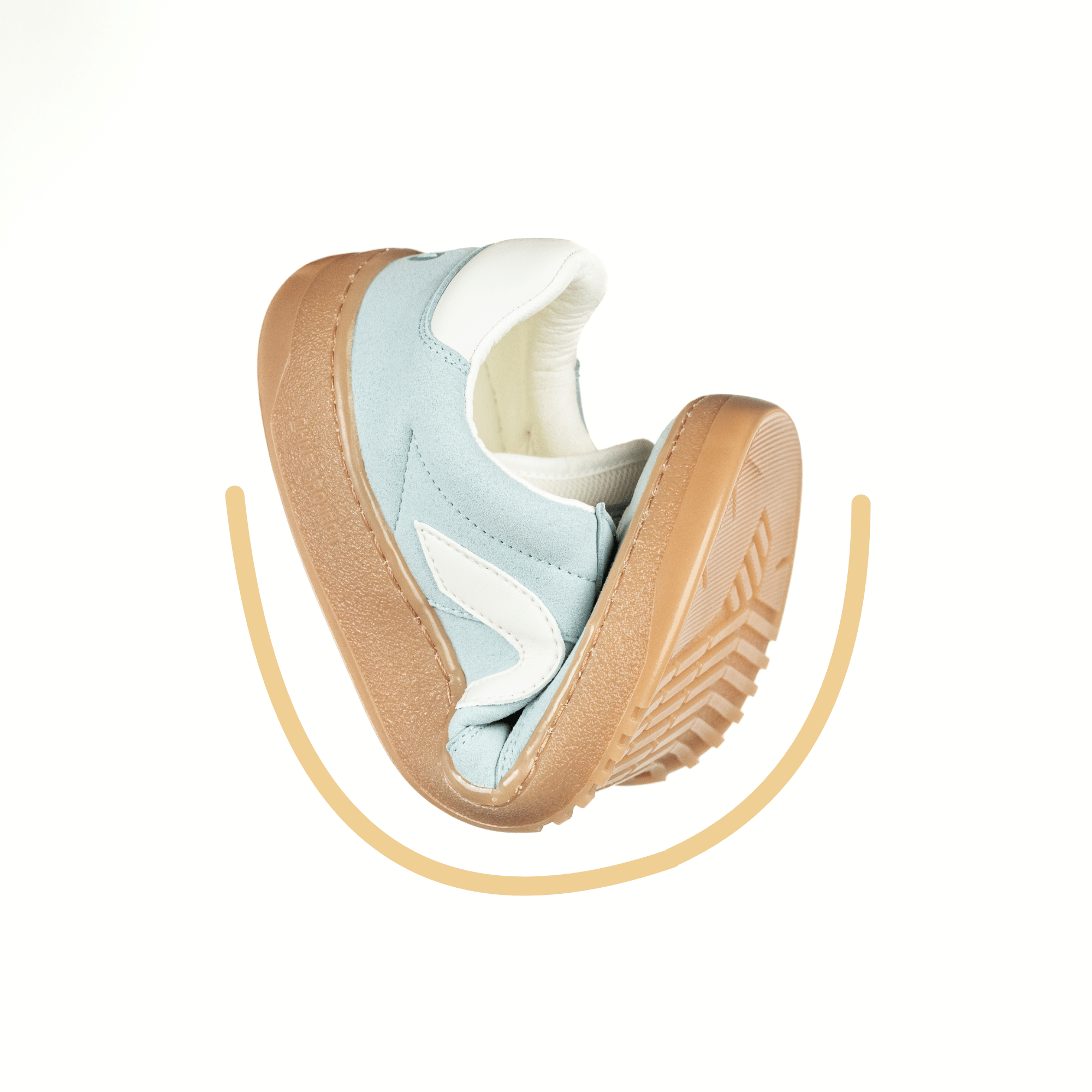
A barefoot or "respectful" shoe is designed to allow the foot to function as naturally as possible.
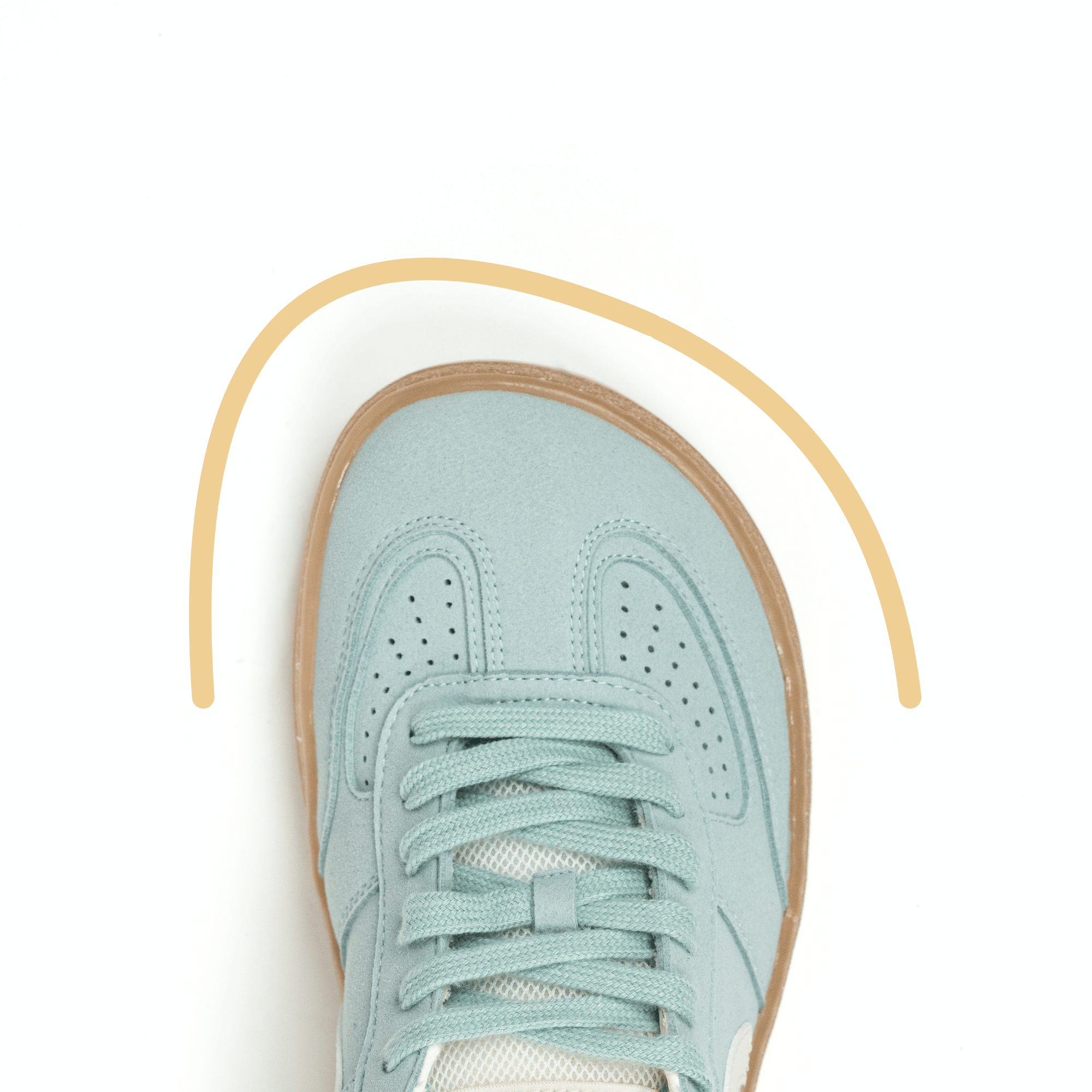
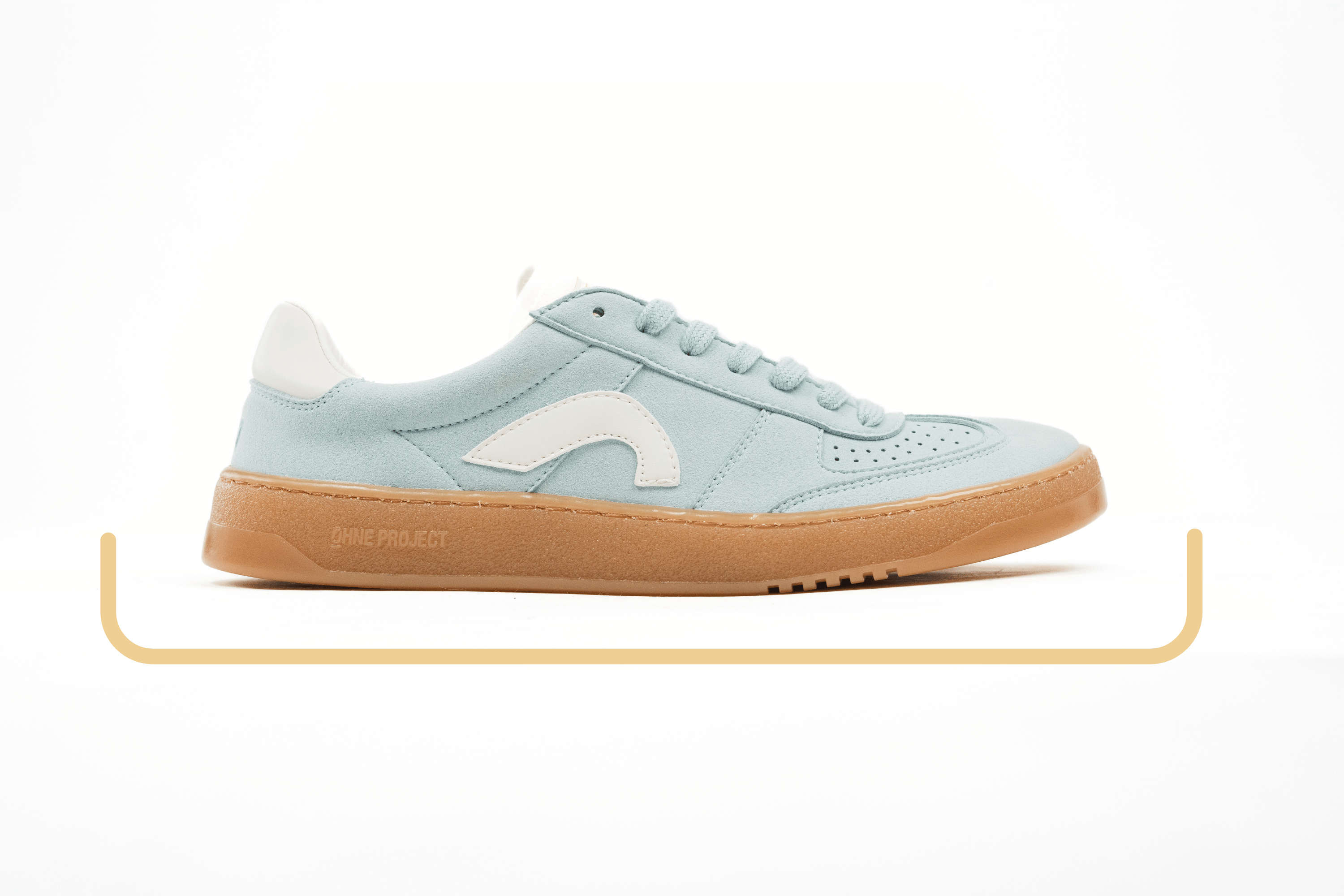
It usually incorporates a wide toe box that allows space for the toes, a flexible sole that is thin and has no elevation between the heel and forefoot (zero drop).
The goal is not to add support or correct movement, but to allow the foot to recover some of its natural function. However, not all barefoot shoes are the same, and each person may need a different level of minimalism depending on their experience and situation.
Are all barefoot shoes the same?
No.
Just as not all conventional shoes are the same, neither are barefoot shoes.
There are significant differences in toe box width, flexibility, sole thickness, materials, and level of minimalism.
That's why at Sapiens, we select each brand based on biomechanical criteria, construction quality, and real-world user experience. Our goal is not to offer just any barefoot shoe, but to help you find the most suitable one for you.
How can I safely introduce barefoot running?
The transition to barefoot is a process, not a race.
Many people have been wearing shoes with cushioning, support, or heel elevation for years. When we switch to more minimalist footwear, the body needs time to adapt.
That's why we recommend starting progressively, gradually increasing the hours of use and observing the body's sensations. There is no one-size-fits-all speed.
The goal is not to get there faster, but to build a safe and sustainable adaptation over time.
"I can't wear completely flat shoes. I need a bit of a heel."
It's a more common feeling than it seems.
Many people have spent years wearing shoes with elevated heels, and their bodies have gradually adapted to them. When this elevation disappears, it's normal to feel initial tension or discomfort.
But precisely this dependence gives us interesting information: if the body needs constant external help to feel comfortable, perhaps there are functions it hasn't been using enough for a long time.
This doesn't mean that barefoot is suitable for everyone, or that everyone should walk completely flat from day one. It means that it's worth exploring the extent to which the body can regain capabilities it had delegated to footwear.
Most people don't train their feet. They protect them, cushion them, and support them for years. Barefoot aims for precisely the opposite: to return prominence to a part of the body that we have often stopped using.
That's why the key is not to force the change, but to allow the body to gradually readjust.
Can I combine barefoot with traditional footwear?
Yes.
In fact, many people combine different types of footwear depending on the context, their needs, or the stage of their adaptation.
The transition to barefoot living does not have to be a radical or immediate decision. The goal is to progressively move towards more natural movement, always respecting each person's sensations and needs.
At Sapiens, we understand barefoot as a tool to recover function and body awareness, not as a rigid rule that must be followed perfectly.
I have a medical condition. Could barefoot running be good for me?
It depends.
No shoe can, by itself, solve a pathology, injury, or mechanical problem. Therefore, it would be inaccurate to present barefoot footwear as a universal solution.
However, many foot and movement disorders share a common challenge: the loss of strength, mobility, sensitivity, or natural function of the foot.
In these cases, progressively restoring the foot's ability to move, adapt, and work actively is often part of the improvement process. And it is precisely here that barefoot footwear can play an important role.
Barefoot footwear does not replace a professional assessment or a rehabilitation process when necessary. But it often becomes a tool that accompanies this process, allowing the foot to participate more actively in movement.
Therefore, rather than looking for a shoe that solves everything, at Sapiens we believe in helping people regain the capabilities their bodies already had.
Barefoot is not the answer to all questions, but it often points in the same direction: restoring the foot's ability to do what it was designed to do.